Reset Guides · Liver Health · Free · 16 min read
Last reviewed 23 October 2026
The Liver Reset
A free, practical guide to the habits that change liver fat — what the evidence supports, what it doesn't, and where to start.
A note from our founder
This Reset matters to me personally. My mother developed a serious liver condition through no fault of her own, and watching her go through it taught me two things: how much this organ does before anyone gives it a thought, and how quickly people assume they know how someone's liver got that way. That assumption is wrong far more often than it's right, and it stops people asking questions they should be asking.
So this guide isn't about fear or guilt, and it isn't about cleanses — which is what most liver advice turns out to be selling. What changes liver health is ordinary and unglamorous: what you drink, how much of your food comes out of a packet, and whether you move.
— James B. Stoney
TL;DR
- Your liver already detoxifies itself. Nothing you drink or swallow improves that. The useful question isn't how to help it clean up, but how to send it less of what causes the damage.
- The condition this guide is about has no symptoms. Fatty liver is usually silent until it's advanced. Feeling fine isn't evidence of a healthy liver, and feeling tired isn't evidence of an unhealthy one.
- It's common and mostly unrecorded. Estimates put it at around one in four UK adults, while only 2.42% of 11.7 million primary-care records carried a diagnosis.
- Three things carry most of the benefit: alcohol, ultra-processed food, and sitting still. Which to start with depends on you. Everything else on the usual liver-health list is a long way behind.
- Which diet you choose matters less than you'd think. A 2026 trial compared Mediterranean, low-carb and standard advice and found no effect of diet pattern on liver fat. Losing weight and eating less ultra-processed food were what tracked with improvement.
- Exercise helps even when the scales don't move — roughly five-fold higher odds of a meaningful liver fat reduction with under 3% weight change, though a 2026 trial found no added benefit over good diet and activity advice within twelve weeks.
- Fasting works, but not better than eating less. An eight-hour eating window cut liver fat by 25.8% in a 337-person trial. Plain calorie restriction cut it by 24.7%.
- Support doesn't have to be expensive. Over a year, 297 people split between a brochure, sixteen coaching sessions and an app all reduced their liver fat, with no significant difference between them. None of the three improved liver stiffness.
- Skip the supplements. Detox products have nothing behind them, milk thistle is unproven on the outcomes that matter, concentrated green tea extract is a documented cause of liver injury, and turmeric carries a regulator's warning for anyone who has had liver problems.
01What your liver does, and what "detox" gets wrong
Your liver is doing a great deal right now. It processes what you absorb from food, stores and releases glucose, produces the bile that lets you absorb fats and vitamins A, D, E and K, builds proteins your blood needs, and breaks down alcohol, medicines and the by-products of your own metabolism. It's the only internal organ that can regrow substantial amounts of lost tissue.
Which is where most liver advice goes wrong. The detox model says toxins accumulate, the liver clogs, and something must be taken to unclog it. Detoxification is a set of continuous enzymatic processes, not a filter that fills up, and no product, tea or protocol makes them run better. What harms a liver isn't a long to-do list — it's specific damage, most commonly from alcohol and now even more commonly from fat accumulating inside liver cells. That accumulation isn't simply a matter of eating more than you burn: insulin resistance and how the body stores fat both feed into it, which is part of why it doesn't track neatly with body size.
02The condition this guide is really about
The condition is metabolic dysfunction-associated steatotic liver disease — MASLD, and you may know it by its older name, non-alcoholic fatty liver disease. It means fat accumulating inside liver cells, driven by metabolic dysfunction rather than alcohol. The name changed by international consensus in 2023, partly because defining a condition by what it isn't told nobody anything about what it is.
Two facts about it shape this whole guide. The first is that it's silent. Most people have no symptoms until the disease is advanced, which is the opposite of how liver health is usually sold to you: the familiar promise that you'll feel sluggish if your liver needs help, and brighter once you've reset it, has the biology backwards. Early liver fat produces no feeling at all, and tiredness has a hundred more likely explanations.
The second is how invisible it is. Estimates put MASLD at around one in four adults, the figure most often cited coming from a meta-analysis of Western European populations which put prevalence at 25%, with a confidence interval running from 21 to 31%. Firmer is the gap between having it and being recorded as having it: across 11.7 million English primary-care records, just 2.42% carried a diagnosis. So you can't find out whether this applies to you by checking how you feel. You find out from your risk factors — type 2 diabetes, a large waist, raised blood pressure or triglycerides — and, if they stack up, a blood test.
03The three things that carry most of the benefit
Most liver-health lists run to a dozen items and weight them equally, which flattens an evidence base that is anything but flat. Turmeric does not belong beside alcohol.
| Where to work | What the evidence says |
|---|---|
| Alcohol | The clearest direct cause of liver damage, and the one factor where a known quantity maps onto a known risk |
| Ultra-processed food | Cutting it was independently associated with liver fat improvement in a 2026 trial, separately from weight loss |
| Sitting still | The one area with evidence of benefit even when body weight doesn't change |
What this guide won't do is rank those universally, because the order depends on you. If you drink regularly, alcohol is where to start — the link is causal rather than correlational, and no amount of broccoli compensates. If you rarely drink, the food and movement sections are your guide, and which of those you tackle first is a question of what you can realistically change rather than a ranking the evidence supports. What's absent matters too: household chemicals and air pollution feature heavily in liver-health content and barely at all in the evidence, and while short sleep and sleep apnoea do track with MASLD, the claim that the liver does its repair work overnight is not established.
04Why the diet you choose matters less than sticking to it
This is the part of the subject that changed most recently. A 2026 randomised trial by Bo and colleagues took 173 people with MASLD who'd never had structured dietary advice, all of whom had overweight or obesity, and put them into three groups for six months — Mediterranean, low-carbohydrate high-protein, or standard nutritional advice — measuring liver fat by FibroScan. 148 completed.

The result isn't what the diet-wars framing predicts. Liver fat fell significantly in the low-carbohydrate and standard-advice arms, there were no significant differences between the three groups, and when the researchers modelled the pathways, dietary pattern had no effect on liver fat at all, direct or total. What was independently associated with improvement were two other things: a reduction in BMI (β 14.34, 95% CI 10.55–18.13) and a reduction in ultra-processed food intake (β 0.64, 95% CI 0.25–1.03). All three arms improved their weight, waistlines, metabolic markers and diet quality. The liver fat reading simply didn't track which diet they had been given.
One caveat matters more than the rest. Nobody was randomised to eat less ultra-processed food — participants did that to varying degrees across all three arms — so the researchers are clear its link to liver fat is a finding to investigate rather than proof that processing itself caused the change. Beyond that, liver fat was measured by FibroScan rather than biopsy, six months is short for a condition that moves over decades, and everyone in the trial had overweight or obesity, so it says nothing about MASLD in people who don't.
A second 2026 trial makes the same point from another angle, and it's the reason a guide like this is worth writing. Researchers at a single Belgian centre followed 297 people with MASLD for a year across three levels of support: standard care plus an information brochure, a programme of nine individual and seven group coaching sessions run by an experienced dietitian, and a mobile app. Liver fat fell by almost identical amounts in all three — reductions of 23.94, 23.66 and 21.96 dB/m on FibroScan — with no significant difference between them.
That is worth reading carefully, because it is easy to over-claim. No significant difference is not proof of equivalence, and the authors flag something that complicates the cheerful version: their coaching group unexpectedly lost very little weight, despite the dietitian, so the flat result may say as much about that arm underperforming as about brochures matching coaching. Attendance ran at roughly three-quarters for the individual sessions and two-thirds for the group ones. No arm improved liver stiffness, so nothing here demonstrates an effect on scarring, and alcohol intake was only ever captured by questionnaire.
05What losing weight does, and what to do when it isn't happening
Weight loss is the best-documented route to less liver fat, and unusually for this subject the current European guidelines put numbers on it — distinguishing between outcomes, which matters, because the amount linked to shifting liver fat isn't the amount linked to improving scarring.
| Sustained weight loss | What it is linked to |
|---|---|
| 5% or more | Reduced liver fat |
| 7–10% | Improved liver inflammation |
| 10% or more | Improved fibrosis, meaning scarring |
Read the small print before adopting that table. The guidelines attach those thresholds specifically to adults with MASLD and overweight. They aren't general targets, and they aren't advice to lose weight you don't have to lose — fatty liver occurs in people who aren't overweight, and for anyone in that position, or with a history of disordered eating, chasing a percentage is the wrong instruction. The rest of this guide still applies; this table doesn't.
Two further qualifications come from the guidelines themselves. The thresholds rest largely on a single trial with biopsy endpoints, which is thinner support than a tidy table implies. And few people reach even 5%: in studies following people for one to two years, weight loss peaked around six months then drifted back to roughly 5% net, with liver fat and stiffness partly returning. That's an argument for treating the number as a direction rather than a target, and for caring more about what you'll still be doing in eighteen months than what you manage in six weeks.
So what if the weight doesn't shift? A post hoc pooling of three randomised trials found people doing aerobic exercise had roughly five times the odds of achieving a 30% relative reduction in liver fat compared with controls (OR 4.86, 95% CI 1.72–13.8) — with under 3% change in body weight. The liver responded to the training rather than to the weight coming off.
It's a small study, 88 adults over 12 to 20 weeks, using imaging and blood markers rather than biopsies, so take it as encouraging rather than settled. It points the same way as the guidelines, which recommend more than 150 minutes a week of moderate activity or 75 of vigorous while being candid that evidence for effects on scarring is weaker.
An October 2026 trial sets the limit on that claim. In Granada, 187 adults with obesity were randomised for twelve weeks to an eight-hour eating window, supervised exercise, both, or usual care — and none reduced MRI-measured liver fat significantly more than usual care, or than each other. The detail that matters is what usual care was: Mediterranean diet and physical activity education, not a waiting list. Participants were also recruited for obesity rather than diagnosed liver disease.
So exercise beats doing nothing, and on this evidence it hasn't been shown to add to a programme that already includes decent diet and activity advice within three months. Movement earns its place on its own merits, not as a weight-loss delivery mechanism.
06What doesn't work, and one thing worth avoiding
Liver health has a larger supplement industry attached to it than almost any organ, and the evidence doesn't come close to justifying the shelf space.
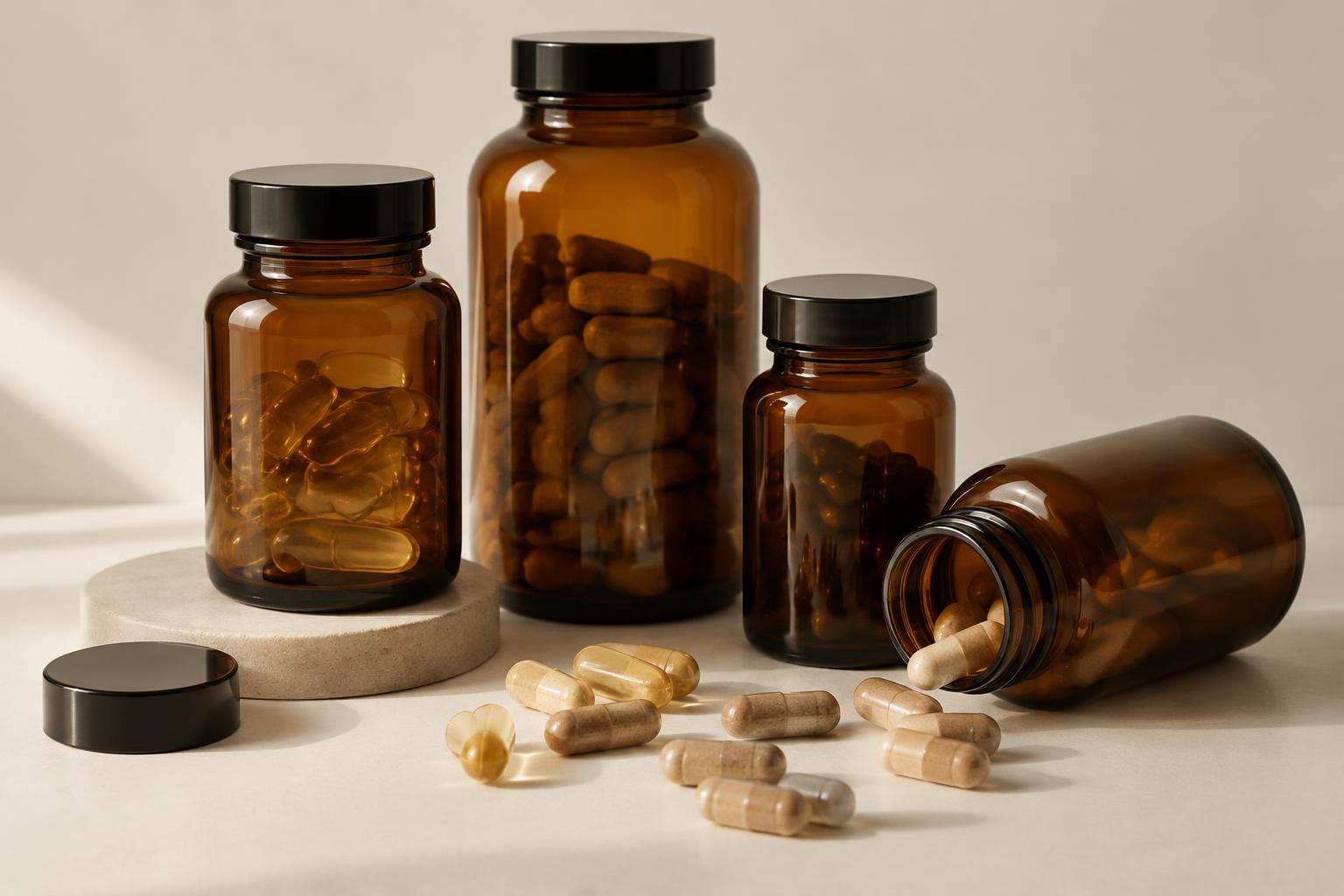
Detox teas, juices, cleanses and liver-support formulas. No credible evidence that any improve liver function, and the premise is wrong to begin with.
Milk thistle, or silymarin. A 2025 Cochrane review of 17 trials and 2,069 participants found the benefits and harms unclear — harms included, because the trials reported too little to judge them either way. Silymarin on its own may lower liver enzymes, but the certainty was rated low to very low, and not a single trial reported deaths or quality of life. Not debunked — unproven on everything worth knowing.
Water as a flush. Hydration is sensible for other reasons. It does nothing identifiable for your liver; the flushing image belongs to the kidneys.
Fasting as a liver-specific fix. Time-restricted eating does reduce liver fat — in a 337-person trial an eight-hour window cut it by 25.8% against baseline. But the same trial's calorie-restriction arm cut it by 24.7%, and across nine randomised trials the pooled difference on MRI-measured liver fat was indistinguishable from zero. A window is a way of eating less, and it works for that. It isn't doing something to your liver that eating less wouldn't. Does intermittent fasting help a fatty liver? goes through the trials.
Green tea extract is the most frequently implicated single botanical, but it isn't the only one. In a US network that tracked 839 cases of drug-induced liver injury, 130 — about one in six — were attributed to herbal and dietary supplements, and that share rose from 7% to 20% across the study period. Turmeric and curcumin extracts, garcinia and several weight-loss formulations all appear in the registries, and multi-ingredient products make the culprit hard to identify. So the rule isn't "avoid one ingredient"; it's that herbal supplements aren't the harmless half of this decision.
Turmeric is worth naming, because it's both the most widely taken of these supplements and the one with a regulator's warning attached. In August 2023 Australia's medicines regulator reviewed 18 reports of liver problems in people taking turmeric or curcumin products and advised, as a precaution, that anyone who currently has or has had liver problems should avoid them. In four of those reports no other ingredient was a likely contributor; two of those were severe and one was fatal. The regulator also noted the risk doesn't appear to apply to turmeric eaten in normal amounts as a food, so the concern is the concentrated capsule rather than the curry.
Ashwagandha carries the more recent instruction. In July 2026 the same regulator advised that products containing it should be avoided by people with existing liver disorders, while calling the risk very rare and reporting no deaths or transplants among Australian consumers. If you take any of these regularly, tell whoever reviews your blood results, because this kind of injury is easy to miss when nobody is looking for it. Can supplements damage your liver? sets out what the registries do and don't show.
07Alcohol: the numbers, and why 14 units isn't a target
UK guidance is not to drink more than 14 units a week, spread across three or more days rather than saved up. That's roughly six pints of 4% beer, or six 175ml glasses of 13% wine — though strengths vary enough that the same nominal drink can differ by half again.
| If you drink | Units, roughly |
|---|---|
| Pint of 4% beer or lager | 2.3 |
| Pint of 5% craft beer | 2.8 |
| 175ml glass of 13% wine | 2.3 |
| 250ml glass of 13% wine | 3.3 |
| Single 25ml spirit measure | 1.0 |
What matters is what that figure is for. It's population-level guidance set as a level of low risk, not a target to drink up to. For anyone told they have fat in their liver the advice goes further: European guidelines say people with steatotic liver disease, particularly those drinking at moderate or higher levels, should be discouraged from drinking at all, and that anyone with advanced scarring or cirrhosis should stop completely and permanently.
The same guidelines note that recent meta-analyses found no protective effect against cirrhosis at any level of drinking, compared with people who had abstained long-term. There's also a recognised category for the overlap, because for many people both things are true at once — metabolic risk factors and a moderate drinking habit, each feeding the same process. Dealing with one and leaving the other in place leaves the driver running.
08Four weeks of tracking
The point of writing it down is that liver fat gives you no feedback. You can't feel this working, which makes a record the only thing standing between you and quietly giving up.
| Week | Units this week | Alcohol-free days | Days with movement | Ready-made meals |
|---|---|---|---|---|
| 1 | ||||
| 2 | ||||
| 3 | ||||
| 4 |
| Habit | M | T | W | T | F | S | S |
|---|---|---|---|---|---|---|---|
| No alcohol today | |||||||
| Cooked rather than opened | |||||||
| Moved for 20 minutes or more | |||||||
| Ate at a table, not at speed |
Count ready-made meals rather than scoring your diet. Counting ready-made meals is a rough stand-in rather than a measurement — the trial tracked ultra-processed food intake, which overlaps with ready meals without being the same thing. It's here because it's easier to count honestly than calories, which over four weeks matters more than precision does. Four or five ticks in a row is a good week; chasing seven turns this into another thing to fail at, which is how most people end a reset rather than finish one.
09When this isn't the right guide
Everything above is about reducing the drivers of liver fat. None of it tells you whether you currently have a problem — a question worth answering separately if your risk factors stack up: type 2 diabetes, a large waist, high blood pressure, raised triglycerides or low HDL cholesterol, or a family history of liver disease.
The usual starting point is a blood test, and the important thing is what it can't do. Liver enzymes, ALT and AST, are frequently normal in people who have significant liver fat, so a normal result in someone with stacked metabolic risk settles very little.
The next step answers a different question. FIB-4 is a score calculated from age and routine blood results, and its job is to estimate the likelihood of advanced scarring rather than to detect fat. A low score makes significant fibrosis unlikely; a raised or indeterminate one is a reason to look further, which is the stepwise approach the European guidelines support. A FibroScan then measures two separate things — stiffness, which relates to scarring, and a reading called CAP, which estimates fat.
If you want the condition itself explained rather than the habits around it — how it progresses, how it's diagnosed, what the research is doing — that's a longer piece: Understanding MASLD.
Frequently Asked Questions
- Do liver detox products work?
- No. There's no credible evidence that any tea, juice, cleanse or liver-support formula improves how the liver works, and the premise is wrong — it isn't a filter that clogs and needs clearing.
- Can you have fatty liver if you're not overweight?
- Yes. It's driven by insulin resistance and how the body stores energy rather than by size alone. If that's you, the weight-loss thresholds in section 05 don't apply, but the food and movement sections still do.
- Does milk thistle work?
- Unproven rather than disproven. A 2025 Cochrane review of 17 trials and 2,069 participants found the benefits and harms unclear on low to very low certainty evidence, with no data on whether it helps anyone live longer or feel better.
- How much weight do I need to lose?
- For adults who are overweight with fatty liver, European guidance links 5% to less liver fat, 7–10% to less inflammation, and 10% or more to improved scarring. Treat those as a direction rather than a target — most people who reach 5% have drifted back towards it by the second year.
- Is 14 units a week safe for my liver?
- 14 units is the UK's low-risk guidance for adults generally, not a target. If you've been told you have liver fat, European guidance advises against drinking at all. And if you drink heavily every day, get advice before stopping suddenly — withdrawal can be dangerous.
- My liver blood test was normal. Does that mean I'm fine?
- Not on its own. Enzymes are frequently normal in people with significant liver fat, so a normal result in someone with diabetes, a large waist or raised triglycerides rules out very little. FIB-4 is the score that estimates scarring risk, and that's the question to ask your GP about.
- How long before I notice a difference?
- You probably won't notice anything, and that isn't a sign it isn't working — liver fat produces no sensation, which is why the condition goes undetected for years. Liver fat can change over weeks to months on a scan; scarring moves on a far longer timescale.
- Does intermittent fasting help?
- It reduces liver fat, but no more than eating less by other means. In a 337-person trial an eight-hour eating window cut liver fat by 25.8% and calorie restriction cut it by 24.7%, and a pooled analysis of nine trials found no meaningful difference on MRI-measured liver fat. Use a window if it helps you eat less. Don't expect a liver-specific bonus.
- Is coffee good for your liver?
- The European guidelines note that coffee has been associated with less liver damage and fewer liver-related outcomes, but they grade that evidence at their lowest level, because it rests on observational studies rather than trials. No trial has tested coffee as a treatment for liver fat. If you drink coffee, there's no liver reason to stop. It isn't a reason to start.
This guide is for general information and is not medical advice. If you have risk factors for liver disease, abnormal blood results, or any of the symptoms above, speak to your GP.
Sources
- EASL–EASD–EASO Clinical Practice Guidelines on the management of metabolic dysfunction-associated steatotic liver disease (MASLD). Journal of Hepatology, 2024. https://www.journal-of-hepatology.eu/article/S0168-8278(24)00329-5/fulltext
- Bo S, Armandi A, Castelnuovo G, et al. Impact of weight loss and reduction of ultra-processed foods on liver fat content in MASLD: a randomized controlled trial. JHEP Reports, 2026. https://pubmed.ncbi.nlm.nih.gov/42331287/
- Cuthbertson DJ, Keating SE, Pugh CJA, et al. Exercise improves surrogate measures of liver histological response in metabolic dysfunction-associated steatotic liver disease. Liver International, 2024;44(9):2368–2381. https://pmc.ncbi.nlm.nih.gov/articles/PMC11365804/
- Wang C, et al. Silymarin for adults with metabolic dysfunction-associated steatotic liver disease. Cochrane Database of Systematic Reviews, 2025. https://www.cochranelibrary.com/cdsr/doi/10.1002/14651858.CD015524.pub2/full
- Oketch-Rabah HA, et al. United States Pharmacopeia comprehensive review of the hepatotoxicity of green tea extracts. Toxicology Reports, 2020.
- Committee on Toxicity. Statement on the hepatotoxicity of green tea catechins (COT 08/2024). Food Standards Agency, 2024. https://doi.org/10.46756/sci.fsa.wii944
- Clavero-Jimeno A, et al. Effects of time-restricted eating and supervised exercise on intrahepatic fat and cardiometabolic health in adults with obesity: the TEMPUS randomized controlled trial. Nature Communications, 2026. https://www.nature.com/articles/s41467-026-78625-3
- Randomised trial of lifestyle interventions for improving metabolic dysfunction-associated steatotic liver disease. Hepatology International, 2026. https://link.springer.com/article/10.1007/s12072-026-11153-w
- Huang HT, Hewitt M, Li W, Temperley L, Sattar N, Alazawi W. Epidemiology, temporal trends, and fibrosis risk stratification in metabolic dysfunction-associated steatotic liver disease in UK primary care: a population-based cohort and nested case-control study. 2026. https://doi.org/10.64898/2026.07.15.26358136
- Navarro VJ, Barnhart H, Bonkovsky HL, et al. Liver injury from herbals and dietary supplements in the U.S. Drug-Induced Liver Injury Network. Hepatology, 2014;60(4):1399–1408.
- Therapeutic Goods Administration. Medicines containing turmeric or curcumin — risk of liver injury. Safety advisory, 15 August 2023. https://www.tga.gov.au/safety/safety-monitoring-and-information/safety-alerts/medicines-containing-turmeric-or-curcumin-risk-liver-injury
- UK Chief Medical Officers' low risk drinking guidelines. Department of Health and Social Care, 2016. https://www.gov.uk/government/publications/alcohol-consumption-advice-on-low-risk-drinking