
Stop Using Mouthwash Every Day. Here's Why.
The habits you have been told are essential for oral health — antibacterial mouthwash, brushing after every meal, whitening toothpaste — may be doing more damage than good. Here's what the 2025 and 2026 research actually shows.
The advice has been consistent for decades. Brush twice a day. Use mouthwash. Floss. See your dentist every six months. These are the foundations of good oral hygiene, repeated so reliably that questioning them feels almost contrarian.
But the science of the oral microbiome — which has advanced rapidly in the past five years — is revealing something uncomfortable: some of the most commonly practised oral hygiene habits are actively disrupting the bacterial ecosystem that keeps the mouth healthy. The goal of oral health is not a sterile mouth. It is a balanced one. And several habits most people follow daily are moving the balance in exactly the wrong direction.
TL;DR
- The human mouth contains approximately 700 species of bacteria. A diverse, balanced oral microbiome protects against tooth decay, gum disease, bad breath, and — through the oral-systemic connection — several systemic diseases.
- A study on Listerine Cool Mint found that daily use for three months increased levels of Fusobacterium nucleatum and Streptococcus anginosus — opportunistic pathogens linked to periodontal disease and colorectal and oesophageal cancers.
- A June 2025 scoping review confirmed that antiseptic mouthwashes disrupt oral microbiota balance with potential systemic health implications.
- There is genuine competing evidence: chlorhexidine and essential oil mouthwashes have robust clinical evidence for reducing gingivitis and plaque in people with active gum disease. The debate is about daily use in healthy people, not clinical use for specific conditions.
- Brushing immediately after acidic food or drink softens enamel and increases abrasion damage. The recommended wait is 30 to 60 minutes.
- A May 2025 Healthcare narrative review found that excessive brushing force and abrasive toothpastes including charcoal are among the leading causes of gingival recession and tooth wear.
- The goal is microbiome balance, not bacterial elimination. An April 2026 Fraunhofer Institute study identified a compound that targets harmful oral pathogens without disrupting the beneficial microbiome — pointing toward where oral care is heading.
The Oral Microbiome: What You Are Trying to Protect
The mouth contains approximately 700 species of bacteria, organised into complex communities on teeth, gums, tongue, cheeks, and the palate. This community — the oral microbiome — is not an adversary to be eliminated. It is a functional ecosystem that performs essential protective roles.

Want to Dive Deeper?
Our comprehensive wellness guides provide step-by-step protocols and actionable strategies for lasting health transformation.
Explore GuidesBeneficial oral bacteria maintain the slightly acidic pH that inhibits pathogenic species. They compete with disease-causing bacteria for space and nutrients. They produce antimicrobial compounds. They communicate with the immune system. They participate in the conversion of dietary nitrate — found in leafy greens — to nitric oxide, a molecule that regulates blood pressure and vascular function. And they form part of the ecological barrier that prevents pathogens from establishing themselves.
The oral and gut microbiomes are among the body''s largest microbial ecosystems, comprising 26% and 29% of total bacterial count respectively, with a two-way connection between them. What disrupts the oral microbiome does not stay there — dysbiotic oral bacteria can enter the bloodstream and gut, contributing to systemic inflammation, immune dysfunction, and conditions including cardiovascular disease, metabolic disorders, and certain cancers.
Understanding this context changes the framing of oral hygiene from "kill the bacteria" to "maintain the balance." Most commercial oral care marketing has not caught up with this shift.
The Mouthwash Problem: What the Research Shows — Both Sides
Antibacterial mouthwash is one of the most aggressively marketed oral care products — and the research on what it actually does to the oral microbiome is more complicated than either its advocates or critics typically present.
The Case Against Daily Use
A study examining the effect of daily Listerine Cool Mint use over three months found that it increased levels of Fusobacterium nucleatum and Streptococcus anginosus — two opportunistic pathogens with significant clinical implications. Fusobacterium nucleatum is linked to periodontal disease, colorectal cancer, and preterm birth. Streptococcus anginosus is associated with abscesses, endocarditis, and oesophageal cancer.
The mechanism makes biological sense. Antibacterial mouthwash — particularly those containing alcohol, chlorhexidine, or essential oils at high concentrations — kills bacteria indiscriminately. It eliminates beneficial species that would normally competitively suppress pathogenic ones. In the absence of that competition, opportunistic species that are more resistant to antiseptics can proliferate in the space left behind.
A June 2025 scoping review published in BMC Oral Health examined the evidence for antiseptic formulations on oral microbiota composition and systemic health implications. The review confirmed that while antiseptic agents are effective in controlling biofilm, their broader effects may disrupt the oral microbiota''s balance with potential systemic health implications.
A Karolinska Institutet study also found that chlorhexidine mouthwash reduced gut microbiome diversity, impaired nutrient absorption, and altered metabolism in mice — suggesting oral microbiome disruption extends beyond the mouth.
The Case For Targeted Use
Here is where the balance is important: the clinical evidence for mouthwash in people with active gum disease is robust and should not be dismissed.
Considerable evidence supports the use of chlorhexidine and essential oil mouthwashes as an adjunct to conventional oral hygiene for preventing and improving gingival health. After six weeks of use, subjects using CPC and essential oil mouthwashes showed significant reductions in gingival and plaque measurements compared to controls. Essential oil non-alcohol-containing mouthwash added to a brushing and flossing routine further reduces plaque, gingivitis, and bleeding.
Fluoride-containing mouthwashes have well-established evidence for caries prevention, particularly in people at higher risk of tooth decay.
The honest position: mouthwash is a genuinely effective clinical tool for specific conditions — active gingivitis, periodontal disease, post-surgical care, and caries prevention in high-risk individuals. The problem is not mouthwash itself but the marketing of daily broad-spectrum antibacterial use to healthy people as a general hygiene measure. The evidence does not support that. For someone with active gum disease, daily mouthwash under dental supervision is appropriate. For a healthy adult with good brushing and flossing habits, the microbiome disruption outweighs the benefit.
What''s Coming Next
An April 2026 study from the Fraunhofer Institute for Cell Therapy and Immunology identified a substance that targets harmful oral pathogens — specifically Porphyromonas gingivalis — without affecting the rest of the microbial community. Traditional oral care products like alcohol-based mouthwashes and chlorhexidine kill harmful bacteria but also wipe out beneficial microbes, allowing harmful bacteria to regain dominance quickly because they thrive in inflamed gum tissue. The Fraunhofer compound works differently — targeted precision rather than broad-spectrum elimination. A mouthwash based on this compound is in development. This is the direction oral care science is moving: not eliminating bacteria but selectively removing the harmful ones while preserving the ecosystem.
Better Alternatives to Daily Antibacterial Mouthwash
For healthy adults who want to maintain oral hygiene without microbiome disruption, several alternatives have evidence:
Oil pulling — swishing a tablespoon of coconut or sesame oil for 10 to 15 minutes before brushing reduces pathogenic bacteria including Streptococcus mutans and Candida albicans without disrupting the broader microbiome. The mechanism involves oil physically trapping and removing bacteria rather than killing them indiscriminately. A 2025 systematic review found oil pulling comparable to chlorhexidine for plaque and gingival index scores in several trials.
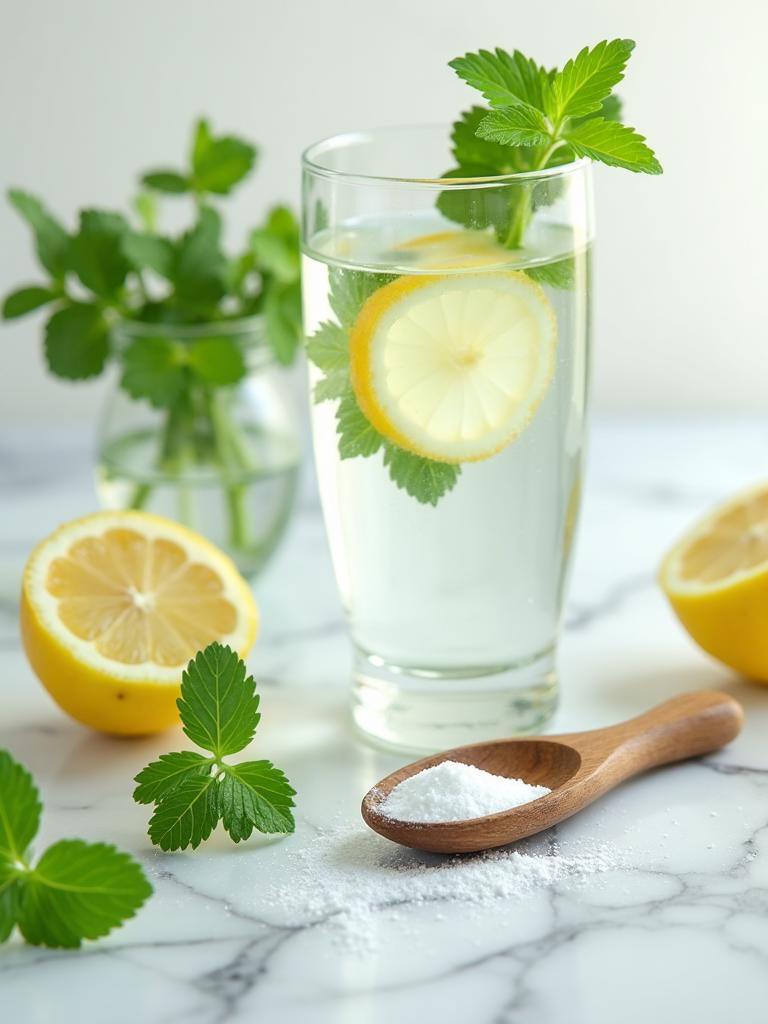
Saline rinse — a warm salt water rinse is anti-inflammatory and mildly antimicrobial through osmotic action, without broad-spectrum killing. Evidence-backed for reducing gingival inflammation and healing oral wounds. Cost-effective and universally accessible.
Alcohol-free antimicrobial mouthwash — products formulated with o-cymen-5-ol and zinc chloride have been researched for their ability to target pathogenic species while preserving beneficial bacteria. A 2023 Journal of Oral Biosciences study found this combination reduced periodontitis-associated pathogens without significant disruption to commensal species.
Xylitol rinse — alcohol-free rinses containing xylitol actively reduce Streptococcus mutans through competitive inhibition rather than killing. Most effective used after meals.
Probiotic lozenges — oral probiotic strains including Lactobacillus reuteri and Streptococcus salivarius have evidence for reducing pathogenic species through competitive exclusion. They work by introducing beneficial organisms rather than eliminating existing ones.
The Brushing Timing Error: Why Coffee Is Fine but Brushing After It Is Not
When you consume acidic food or drink — coffee, citrus fruit, fizzy water, vinegar, wine, or acidic smoothies — the acid temporarily softens the enamel by dissolving calcium phosphate crystals at its surface. Saliva''s buffering capacity gradually neutralises the acid and remineralises the enamel over 30 to 60 minutes.
If you brush immediately after an acidic drink or meal, you are applying abrasive toothpaste to temporarily softened enamel. The May 2025 Healthcare narrative review — examining 118 articles on toothbrushing''s impact on oral health, gingival recession, and tooth wear — confirmed that brushing combined with toothpaste abrasivity leads to accelerated cervical abrasion, particularly after acidic food exposure. For more on the timing details, see our guide on how to brush your teeth properly and time mouthwash.
Most people brush before their alarm properly wakes them, then drink coffee — and do not brush again. This is actually the correct sequence: brush before the acidic drink, not after.
If brushing after breakfast feels more natural, wait 30 to 60 minutes after the acidic exposure and rinse with water immediately after the drink to dilute and begin clearing the acid.
The Brushing Force Problem: Harder Is Not Better
The May 2025 toothbrushing narrative review found that excessive brushing force is one of the most consistent contributors to gingival recession and tooth wear.
Gingival recession — where gum tissue pulls away from the tooth, exposing the root surface — is largely irreversible without surgical intervention. The correct brushing force is approximately 150 to 200 grams — roughly the pressure of a gentle touch. Studies consistently show people apply two to three times this amount.
The Bass technique — angling bristles at 45 degrees to the gumline and using short horizontal strokes focused at the sulcus — is the most evidence-supported method for plaque removal without tissue damage. Electric toothbrushes with pressure sensors remove the guesswork and are a meaningful part of why their evidence base is strong.
The Charcoal and Whitening Toothpaste Problem
The May 2025 Healthcare review placed charcoal among toothpaste additives associated with increased tooth wear. Activated charcoal removes staining through mechanical abrasion — a short-term whitening effect at the cost of permanently removing enamel.
Enamel does not regenerate. Over months and years, thinner enamel becomes more translucent — making teeth appear more yellow as the dentine beneath becomes more visible. Many whitening toothpastes also sit in the higher abrasion range. A standard fluoride toothpaste with a low-to-moderate RDA abrasivity score is the most appropriate choice for most people.
Sodium Lauryl Sulphate: The Foam That May Not Be Your Friend
Sodium lauryl sulphate — SLS — is the foaming agent in most commercial toothpastes. It serves no therapeutic purpose. Research has consistently linked SLS to increased canker sore frequency in susceptible individuals. It also temporarily disrupts the protective mucosal lining that acts as a first barrier against bacterial invasion.
SLS-free toothpastes are increasingly widely available. They foam less, which can feel strange initially, but produce equivalent cleaning efficacy.
The Fluoride Timing Problem
The Bad Breath Reset
Eliminate bad breath naturally with proven protocols for lasting oral and digestive health.
View GuideAfter brushing with fluoride toothpaste, rinsing immediately washes the fluoride away before it has had time to act. The evidence-based protocol is to spit excess toothpaste, not rinse — or rinse minimally with a very small amount of water. This allows fluoride to remain in contact with the enamel surface, maximising its remineralisation effect.
This single change — stop rinsing after brushing — is one of the highest-impact adjustments in oral hygiene and one of the least commonly made.
What Genuinely Supports the Oral Microbiome
Dietary fibre and plant diversity — fibrous vegetables and fruits provide prebiotics for beneficial oral bacteria and mechanically clean tooth surfaces during chewing.
Hydration — adequate water intake maintains saliva flow, the oral cavity''s primary defence against bacterial overgrowth.
Fermented foods — emerging evidence suggests probiotic-rich foods influence oral bacterial community composition, though the evidence is less established than for the gut.
Xylitol — not fermented by Streptococcus mutans and actively reduces its numbers. Xylitol-containing gum chewed after meals is one of the most accessible evidence-based oral health interventions.
Tongue cleaning — a tongue scraper used once daily removes the dense biofilm on the tongue dorsum significantly more effectively than brushing the tongue.
Nasal breathing — mouth breathing dries the oral mucosa and shifts the bacterial environment toward pathogenic species. Addressing nasal congestion or structural causes is one of the most impactful oral health interventions available — it''s also a major reason morning breath gets worse while you sleep.
Frequently Asked Questions
Is mouthwash bad for you? Not universally — and the answer depends on who you are and why you are using it. For people with active gingivitis or periodontal disease, mouthwash used under dental supervision has robust clinical evidence for reducing plaque and gingival inflammation. For healthy adults with good brushing and flossing habits, daily broad-spectrum antibacterial mouthwash disrupts the balanced oral microbiome without meaningful additional benefit. Research shows daily Listerine use over three months increases pathogenic bacteria including Fusobacterium nucleatum. The nuanced position: targeted clinical use yes, daily routine use for healthy people no.
Should I brush my teeth before or after coffee? Before. Coffee is acidic and temporarily softens enamel — brushing immediately after combines mechanical abrasion with chemically weakened enamel, significantly accelerating wear. Brush before coffee, or if that is not practical, wait 30 to 60 minutes and rinse with plain water immediately after the drink.
Does charcoal toothpaste work? It whitens teeth in the short term through mechanical abrasion — at the cost of permanently removing enamel. Enamel does not regenerate, and over time thinner enamel makes teeth appear more yellow as dentine becomes visible beneath it. Standard fluoride toothpaste with a low-to-moderate RDA abrasivity score is the evidence-supported alternative.
Should I rinse after brushing? No — or minimally. Rinsing immediately washes away fluoride before it can remineralise enamel. Spit excess toothpaste, do not rinse — or rinse with only a very small amount of water. This is one of the simplest high-impact changes most people can make.
What is the best toothpaste for oral microbiome health? A standard fluoride toothpaste with a low RDA abrasivity score — avoiding charcoal, excessive whitening agents, and high-abrasion formulations. For canker sore sufferers, an SLS-free formulation is worth trialling. For added oral health benefit, a toothpaste containing xylitol actively reduces Streptococcus mutans alongside fluoride''s remineralisation effect.
How hard should I brush my teeth? Much lighter than most people brush — approximately 150 to 200 grams of force, roughly a gentle touch. Most people apply two to three times this amount. An electric toothbrush with a pressure sensor removes the guesswork. Angle bristles at 45 degrees to the gumline and use short, gentle strokes rather than horizontal scrubbing.
The Bottom Line
The oral hygiene routine most people follow was designed around an outdated premise: bacteria are bad, and the goal is to eliminate them. The science of the oral microbiome has fundamentally changed this picture.
The key nuance: mouthwash is not categorically bad. It is a clinical tool with genuine evidence for specific conditions. What lacks evidence is daily broad-spectrum antibacterial use as a general hygiene habit in healthy people — and what is emerging from the research is that this use may actively benefit the opportunistic pathogens it is supposed to suppress.
The April 2026 Fraunhofer research points toward where this is heading — precision oral care that targets harmful species without eliminating the ecosystem. Until those products are widely available, the practical answer is: use mouthwash when your dentist recommends it for a specific reason. For daily routine hygiene, support the microbiome rather than fighting it.
For a structured approach to oral and systemic microbiome health, the Bad Breath Reset and Gut Reset from the Reset Series™ cover the dietary and lifestyle foundations that support microbiome balance.
Related reading: The Oral Microbiome: Why Fresh Breath Is More Important Than You Think · Vaping and Bad Breath: What the Science Actually Shows · Why Morning Breath Gets Worse While You Sleep
Tags
Further Reading
Found this helpful?
Share this article and help others discover valuable health insights!
Click to share via social media or copy the link

Fresh Start Bundle
Reset your body and mind with our most popular bundle. Includes Sleep Reset, Caffeine Reset, Junk Food Reset, Stress Reset, and Sugar Reset guides.
Get Bundle
Complete Wellness Guides
Discover our library of evidence-based health guides designed to optimize your wellness journey.
Browse Guides