The House That Has Not Changed: Chavenage House — An Elizabethan Manor in the Cotswolds
Experience — Chavenage House
By James B. Stoney, Editor ·
An Elizabethan manor near Tetbury, still owned by the same family, still toured by them — Chavenage is the rarest thing: a historic house that feels like a home.
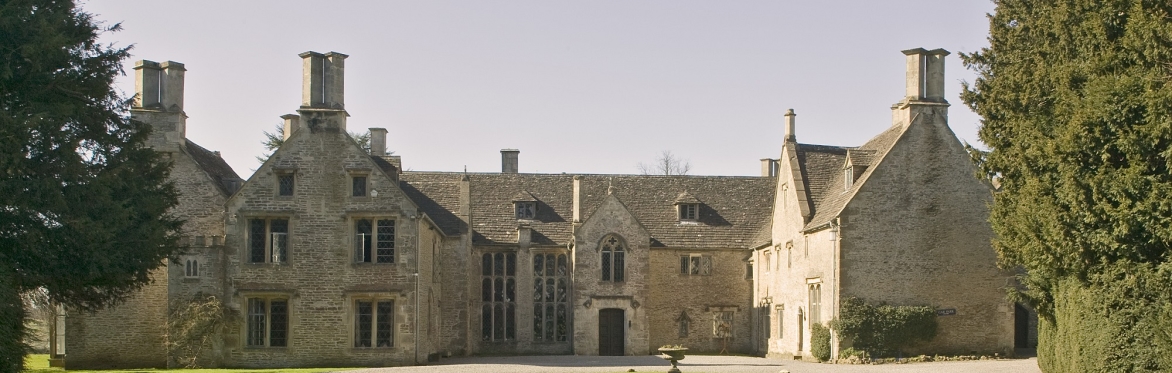
An Elizabethan manor near Tetbury, still owned by the same family, still toured by them — Chavenage is the rarest thing: a historic house that feels like a home.
Chavenage House is an Elizabethan manor near Tetbury, Gloucestershire, built around 1576 and occupied by only two families since Tudor times. It opens to visitors through family-led tours and has served as a filming location for Poldark, Rivals, Poirot and Lark Rise to Candleford, among others.
Much of the Cotswolds is preserved.
Chavenage House is not.
Built in the late sixteenth century and still occupied by the Lowsley-Williams family — who have held it since 1891 — the house represents a different kind of continuity. Not restoration. Not presentation. Simply use, sustained across four centuries without interruption.
That distinction is immediate on arrival.
A House That Continues
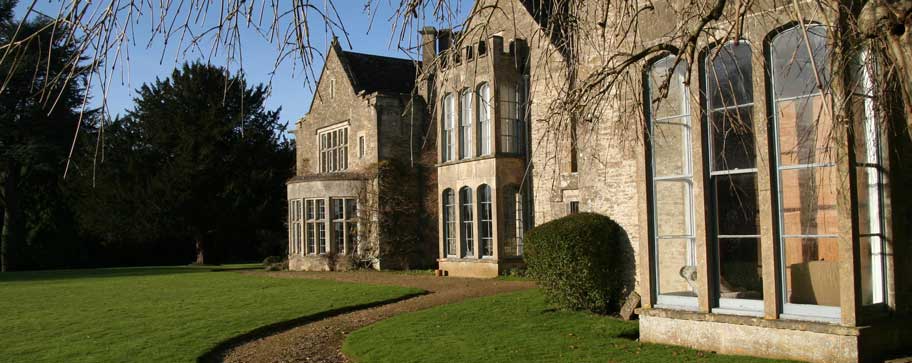
Chavenage dates to around 1576.
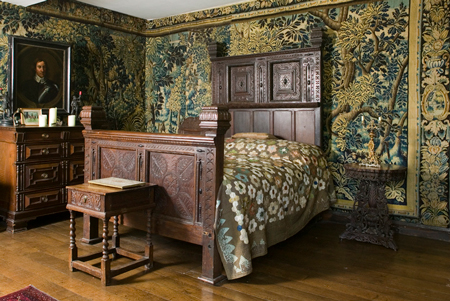
Its structure, layout and materials reflect that origin — Cotswold stone, timber framing, interiors that have evolved gradually rather than been redesigned. Unlike most historic houses open to visitors, it has not been separated from daily life. The family lives here. The dogs wander through. Rooms are not staged. Nothing is roped off.
That continuity shapes how the building feels in a way that no amount of interpretation can manufacture.
The Tour
Tours are led by members of the Lowsley-Williams family.
This changes the experience entirely. Rooms are not explained through audio guides or printed panels. They are described by people with a personal stake in them — with the specific detail, the dry humour and the frank acknowledgement of what it means to live inside an Elizabethan building in the twenty-first century. Visitors can touch the furniture. They can photograph freely.
It is, without qualification, the most intimate way to move through a historic house in England.
The History
The main historical focus is the English Civil War.
The then-owner of Chavenage — the MP for Gloucestershire — was persuaded against his better judgement to vote for Charles I's impeachment and subsequent execution. Shortly after the King was beheaded, he died. The legend of a ghostly figure leaving Chavenage in a carriage driven by a headless coachman wearing royal vestments has circulated ever since. It is told without embarrassment, and with evident enjoyment.
On Screen
Chavenage has served as a filming location across several decades — and the reason is straightforward.
The house requires almost no dressing. Period drama finds it as it is. It appeared most recently as The Priory in Rivals, the Disney+ adaptation of Jilly Cooper's novel, with the owners commenting with characteristic candour on the book's content. Before that: Trenwith in Poldark, Styles Court in Agatha Christie's Poirot, Candleford Manor in Lark Rise to Candleford, and Randalls in the 2020 BBC adaptation of Emma.
For visitors who arrive having watched any of these, the experience of standing in the actual rooms carries a particular charge. The house does not lean into it. It does not need to.
Why It Earns Its Place
There are grander houses in the Cotswolds.
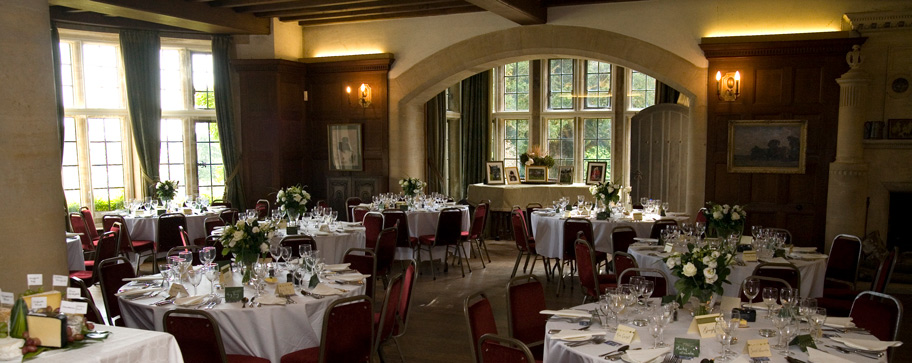
None offer this. The experience of Chavenage — a house that functions as a home, toured by its inhabitants, with four centuries of continuous occupation behind it — is specific to this place and this family. It is not replicable. In a region where much is preserved, this is something different. It is continued.
Vitae Lifestyle Scorecard
- Setting & architecture9.5 / 10
- Experience & access9.7 / 10
- Cultural & historical depth9.6 / 10
- Overall experience9.6 / 10
Who it's for
- Those who find formal heritage sites sterile and want something with genuine human presence.
- Visitors with a serious interest in British history who have exhausted the National Trust circuit.
- Anyone who has watched Rivals, Poldark or Poirot and wants to stand in the rooms where they were filmed.
Questions
What is Chavenage House?
Chavenage House is an Elizabethan manor near Tetbury in Gloucestershire, built around 1576 and owned by only two families since Tudor times. It is still a family home, open to visitors through guided tours led by the Lowsley-Williams family, who have lived there since 1891.
Where is Chavenage House located?
Chavenage House is located near Tetbury in the Cotswolds, Gloucestershire, approximately two hours from London by road. The nearest towns are Tetbury and Cirencester.
Was Chavenage House used in Poldark?
Yes. Chavenage House served as Trenwith — the Poldark family estate — in the BBC series. It has also appeared as The Priory in Rivals, Styles Court in Agatha Christie's Poirot, Candleford Manor in Lark Rise to Candleford, and Randalls in the 2020 BBC adaptation of Emma.
Is Chavenage House open to the public?
Chavenage opens to the public from May to September on Thursdays and Sundays. Group tours can be arranged throughout the year. Tours are led by members of the Lowsley-Williams family, who still live in the house.
How is Chavenage House different from National Trust properties?
Chavenage is a private family home rather than a managed heritage site. Rooms are not roped off, nothing is staged for visitors, and tours are conducted by family members rather than guides. The experience is considerably more personal and less mediated than a conventional historic house visit.
This article appears in Edit No. 12 — The Cotswolds