Vitae
    Vitae

    Vitae Lifestyle

    Edit No.19 — The Hong Kong That Stayed

    The Star Ferry, Happy Valley Racecourse, the Hong Kong Country Club, One Duck Lane at the Hyatt Centric, and The Upper House at Pacific Place.

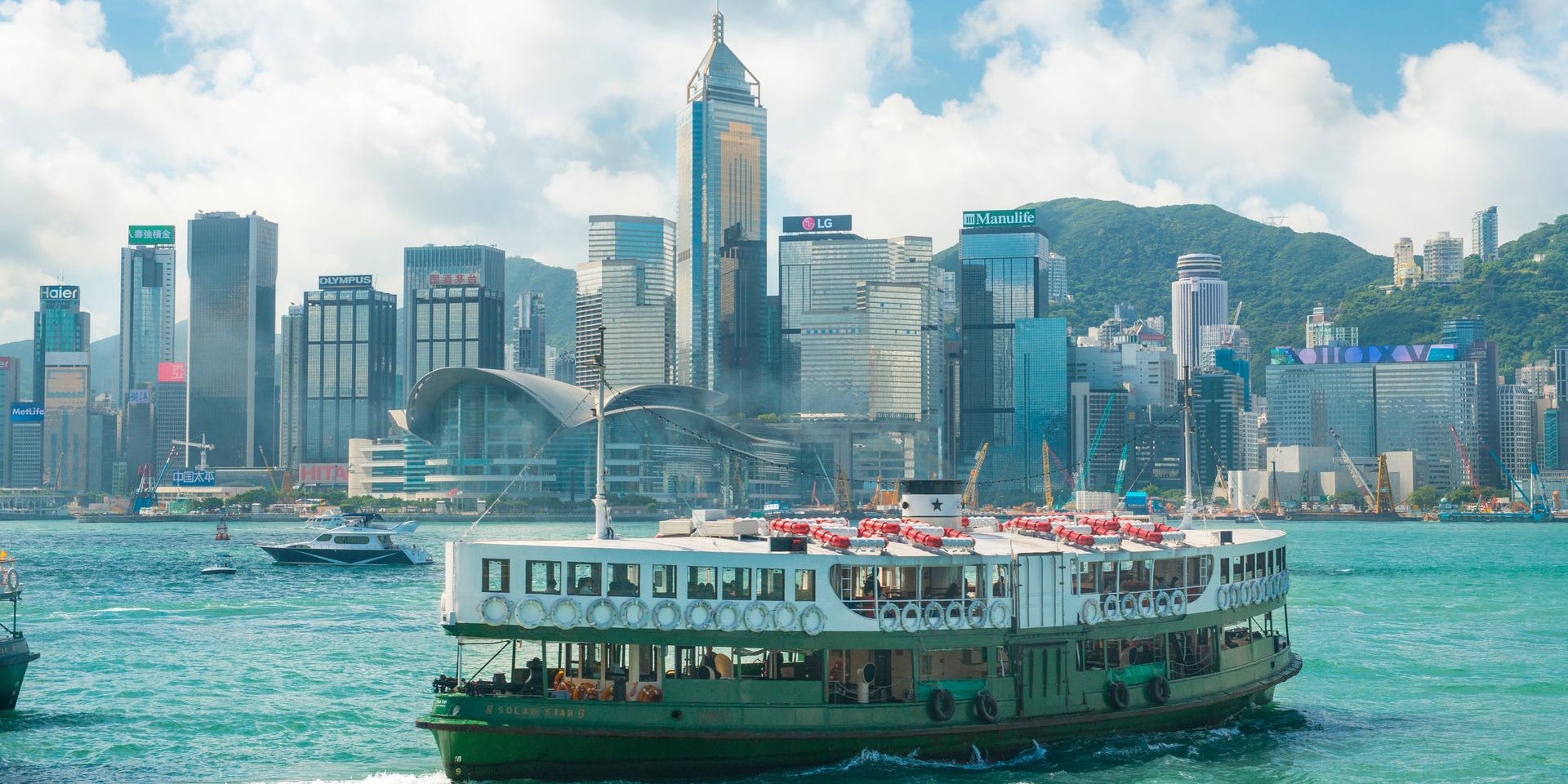
    A Star Ferry crossing Victoria Harbour in daylight with the Hong Kong Island skyline behind
    Image: The Star Ferry, Victoria Harbour

    Hong Kong is a city that has rebuilt itself more times, more rapidly, than almost any other on earth. Skylines have appeared inside a decade. Coastlines have moved. Whole industries have arrived, dominated, and quietly receded. What Edit No.19 is interested in is the opposite: the things that have stayed.

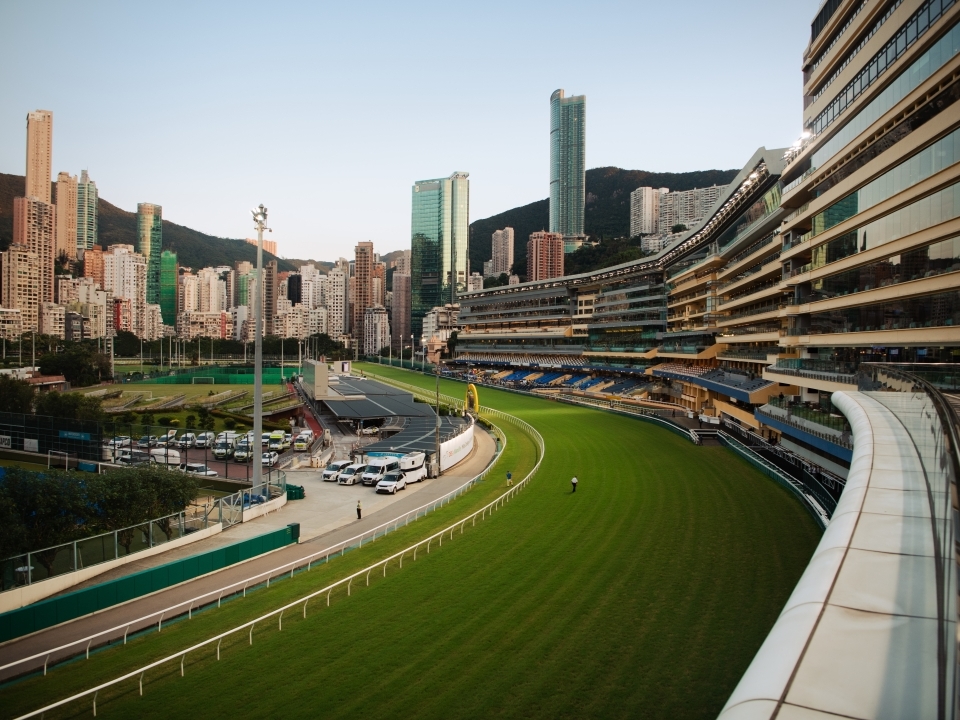
    The opening piece is the Star Ferry — Hong Kong's oldest form of public transport, in continuous operation across Victoria Harbour since 1888. Happy Valley Racecourse, drained from a malarial swamp in 1846 and still running thoroughbreds under floodlights on a Wednesday night, is the second. The Hong Kong Country Club, conceived in 1947 specifically to dissolve the racial and national hierarchies of the era, is the third. One Duck Lane, the new Peking duck restaurant at the Hyatt Centric in North Point that Bloomberg already ranks alongside Hutong and Sha Tin 18, is the fourth. The Upper House, André Fu's career-defining hotel above Pacific Place — no lobby, no pool, no spa, and a near-permanent fixture in the World's 50 Best — is the fifth.

    Five places, three eras, one continuous city.

    In this edit

    The Star Ferry: Hong Kong's Oldest Form of Public Transport

    EXPERIENCE — The Star Ferry, Victoria Harbour

    The Star Ferry: Hong Kong's Oldest Form of Public Transport

    Founded in 1888 by a Parsi baker who needed to move his bread across the harbour. 138 years, two world wars, and a near-closure later, it still costs less than the price of a coffee.

    Read →
    Hong Kong Country Club: The Club Built to Break Down Barriers

    PLACE — Hong Kong Country Club, Deep Water Bay

    Hong Kong Country Club: The Club Built to Break Down Barriers

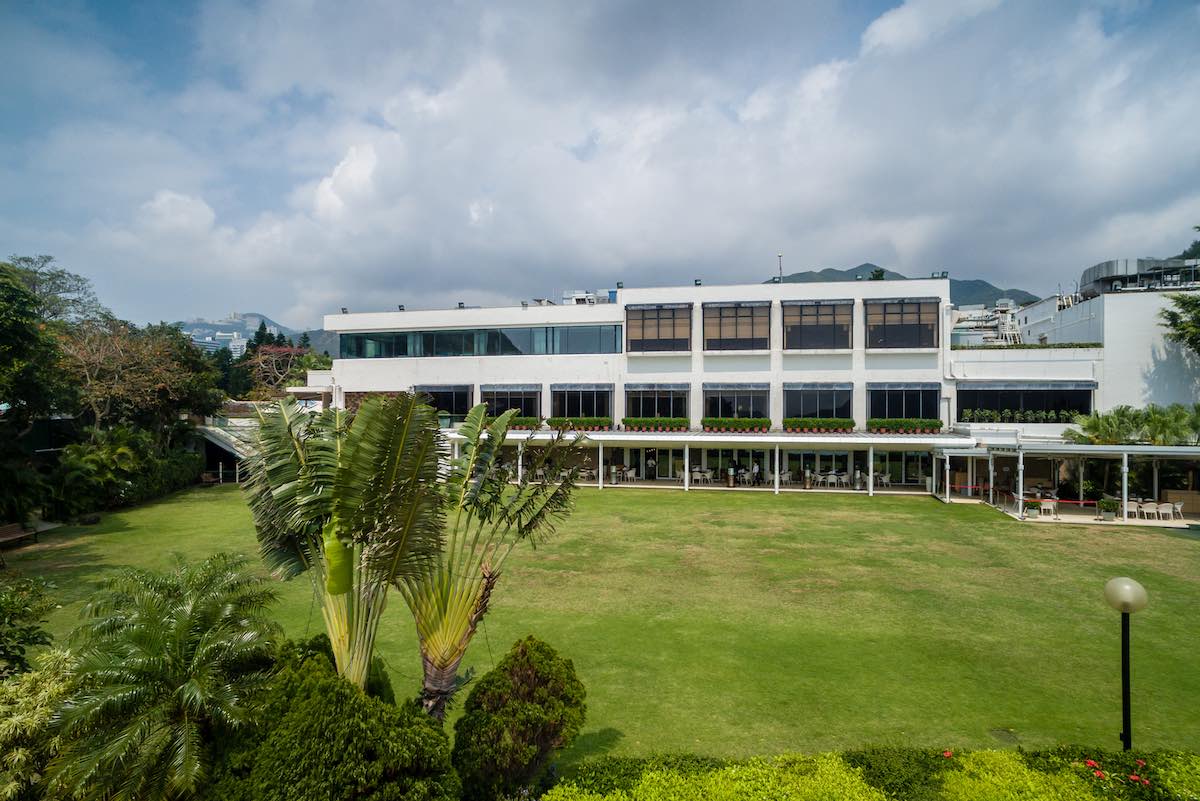
    Conceived in 1947, opened in 1962, built specifically so that all nationalities could meet without discrimination. Members only — you'll need one to take you. The lawn still runs down to Deep Water Bay.

    Read →
    One Duck Lane: The Restaurant That Made North Point a Destination

    PLACE — One Duck Lane, Hyatt Centric Victoria Harbour

    One Duck Lane: The Restaurant That Made North Point a Destination

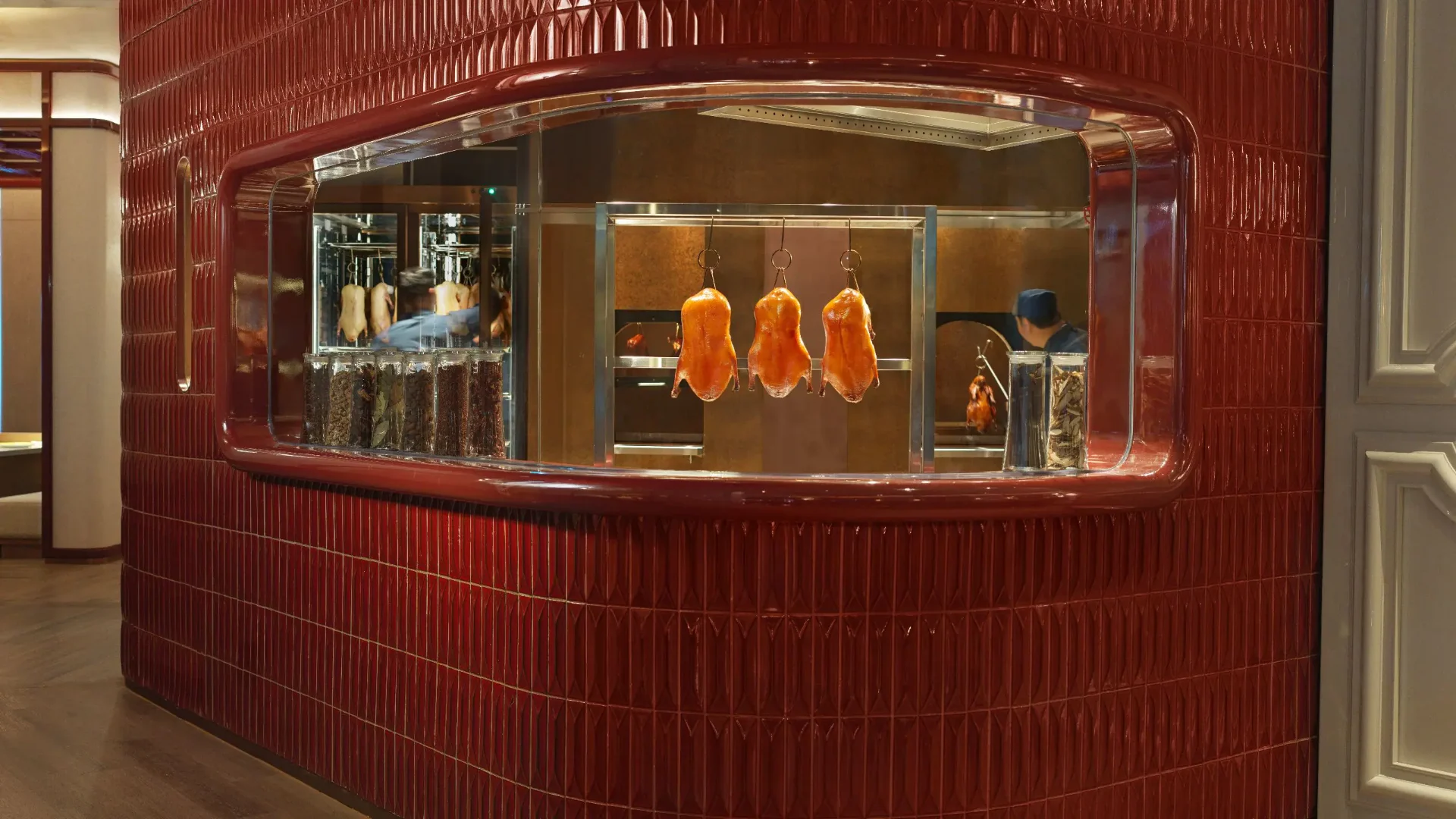
    A Peking duck restaurant inside the Hyatt Centric that Bloomberg says rivals Hutong and Sha Tin 18. 45-day-old ducks, a custom-built oven, and a chef who trained at the Sheraton.

    Read →
    The Upper House: How a Hotel With No Lobby Became One of the World's Best

    LIVING — The Upper House, Pacific Place

    The Upper House: How a Hotel With No Lobby Became One of the World's Best

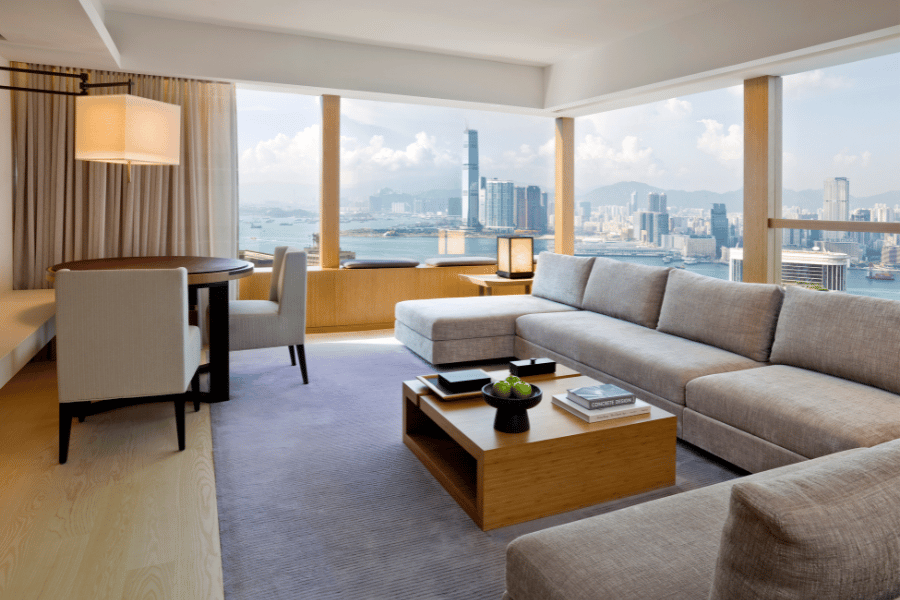
    No lobby, no pool, no spa, one restaurant — and a place in the World's 50 Best Hotels every year. André Fu's career-defining design above Pacific Place, explained.

    Read →
    Happy Valley: The Racecourse Hong Kong Built on a Swamp

    EXPERIENCE — Happy Valley Racecourse

    Happy Valley: The Racecourse Hong Kong Built on a Swamp

    Racing since 1846 on reclaimed malarial swampland in the middle of the city. The Wednesday night meeting at Happy Valley is one of the great urban spectacles anywhere.

    Read →

    Each article in this edit is experienced first-hand and written independently. All Vitae Lifestyle articles are archived under Lifestyle and can be read out of sequence.

    Questions about this edit

    What is covered in Edit No.19?

    Edit No.19 — The Hong Kong That Stayed — is a portrait of the city told through five places that have outlasted its reinventions: the Star Ferry, in continuous operation across Victoria Harbour since 1888; Happy Valley Racecourse, racing on drained swampland since 1846; the Hong Kong Country Club, opened in 1962 to dissolve the racial and national hierarchies of the colonial era; One Duck Lane, the Peking duck restaurant at the Hyatt Centric in North Point; and The Upper House, André Fu's design-led hotel above Pacific Place.

    Why 'The Hong Kong That Stayed'?

    Because the most interesting thing about Hong Kong is not the constant transformation but what has resisted it — the civic objects and institutions that have continued, reliably, while everything around them changed completely. The Star Ferry, Happy Valley Racecourse and the Hong Kong Country Club are the clearest examples; One Duck Lane and The Upper House show how the same continuity carries into the city's contemporary food and hotel culture.

    What is the oldest institution covered in this edit?

    Happy Valley Racecourse, which has hosted racing since 1846 on land drained from the malarial Wong Nai Chung marsh, predates the Star Ferry by 42 years. Both still operate today and remain among the cheapest experiences in the city — admission to the Happy Valley public stand is HK$10, and the Star Ferry costs between HK$3 and HK$5.

    When is the best night to be at Happy Valley?

    Wednesday, between September and July. The weekly floodlit "Happy Wednesday" meeting runs eight to ten races from around 6.40pm on a tight, right-handed 1,450-metre turf circuit, with live music, beer gardens and food stalls trackside. Admission to the public stand is HK$10 and the minimum bet is HK$10 — together one of the most affordable major sporting nights anywhere in the world.

    Why is The Upper House so consistently ranked among the world's best hotels?

    Because it removed almost everything a luxury hotel is conventionally expected to provide — no lobby, no pool, no spa — and concentrated everything on the things it decided actually mattered: space, light, design, and service. Even entry-level rooms start at around 730 square feet, the largest standard rooms in Hong Kong, and André Fu's original 2009 design still feels contemporary. The hotel was fifth in the World's 50 Best Hotels in 2024 and tenth in 2025.

    Where should a first-time visitor eat from this edit?

    One Duck Lane at the Hyatt Centric Victoria Harbour in North Point — a Peking duck restaurant that Bloomberg has placed alongside Hutong and Sha Tin 18 as one of the best in the city, using 45-day-old ducks roasted in a custom-built oven by a chef who trained at the Sheraton. For a hotel meal with a view, Salisterra at The Upper House on the 49th floor of the tower above Pacific Place is the strongest counterpart.